

Why Regular Gutter Cleaning Is Planned Maintenance – Not a Reactive Fix
Too many gutter cleans happen too late.
As a result, water is already overflowing.
At the same time, staining is already visible.
Consequently, damage has already started.
At that point, it is no longer maintenance.
Instead, it becomes damage control.
For that reason, regular gutter cleaning should never be reactive.
Rather, it should be planned, scheduled, and routine.
Ultimately, that simple shift changes everything.
Working safely is key to Alfresco’s success.
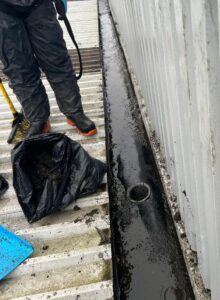
planned maintenance vs reactive

First, Gutters Have One Job
Gutters exist for one clear reason.
They move water away from the building.
However, when gutters block, water looks elsewhere.
As a result, it spills over edges.
Then it runs down brickwork.
Meanwhile, fascias absorb moisture.
Eventually, water finds its way inside.
Therefore, blocked gutters are never harmless.
Instead, they are simply quiet at first.
Consequently, Reactive Gutter Cleaning Always Costs More
Reactive maintenance usually starts with a problem.
For example, a leak appears.
Alternatively, damp patches show indoors.
Often, overflow is noticed during heavy rain.
At that stage, gutter cleaning becomes urgent.
Therefore, access is rushed.
Meanwhile, budgets stretch.
As a result, disruption increases.
More importantly, damage may already exist.
Timber begins to rot.
Consequently, masonry stains permanently.
Then internal repairs follow.
In contrast, planned gutter cleaning avoids this entirely.
Therefore, costs stay predictable.
Likewise, damage stays minimal.
Overall, stress remains low.
Meanwhile, Heavy Rain Exposes Weak Points
British weather is unforgiving.
As a result, sudden downpours reveal blocked systems fast.
Leaves compact quickly.
Additionally, moss builds up.
Over time, silt settles in outlets.
During dry spells, gutters appear fine.
However, when rainfall increases, failure becomes obvious.
Therefore, relying on visual checks alone is risky.
By the time water is visible, performance is already compromised.
For that reason, planned cleaning prevents the problem before it appears.
Planned Maintenance Protects the Building Fabric
Water is persistent.
Given time, it always finds a weakness.
Overflowing gutters soak walls repeatedly.
That moisture penetrates brick and stone.
Over time, freeze-thaw cycles cause cracking.
Algae and staining follow.
Meanwhile, fascias and soffits suffer silently.
Timber absorbs water.
Paint breaks down.
Repairs become unavoidable.
Regular gutter cleaning interrupts this cycle.
Water flows where it should.
The building stays dry.
The structure lasts longer.
Commercial Buildings Feel the Impact Faster
On commercial sites, consequences escalate quickly.
Overflow affects entrances.
Water drips onto walkways.
Slip risks increase.
In addition, blocked gutters often go unnoticed on larger buildings.
Out of sight means out of mind.
Then complaints arrive.
Facilities teams react.
Emergency call-outs begin.
Planned gutter maintenance avoids this pattern.
Inspections happen on schedule.
Issues are spotted early.
Reputation stays protected.
Access and Timing Matter
Reactive gutter cleaning is rarely convenient.
It happens during bad weather.
It disrupts normal operations.
It often requires urgent access.
That creates problems.
Planned maintenance, however, allows proper scheduling.
Access is organised.
Work is quieter.
Sites remain usable.
Companies such as Alfresco Exterior Cleaning build gutter maintenance into forward planning.
As a result, cleaning happens before failure, not after it.
Safety Improves With Planning
Working at height carries risk.
That risk increases under pressure.
Reactive jobs often involve rushed decisions.
Wet conditions.
Limited setup time.
In contrast, planned gutter cleaning allows safe preparation.
Correct equipment is selected.
Teams follow familiar procedures.
Risk assessments remain accurate.
Because of that, safety improves for everyone involved.
Regular Does Not Mean Frequent
Planned maintenance does not mean constant visits.
It means appropriate intervals.
Some buildings need annual cleans.
Others need twice yearly attention.
Tree coverage, roof type, and location all matter.
The key point is consistency.
Missed cycles cause problems.
Regular cycles prevent them.
In Summary
Gutter cleaning should never be an emergency.
If it is, planning has already failed.
Regular gutter cleaning is not an optional extra.
It is a basic form of building protection.
Planned maintenance costs less.
It causes less disruption.
And it avoids unnecessary damage.
In short, gutters should be maintained quietly.
Not noticed loudly during the next downpour.


